FindMyTBR

The Discourses of Epictetus
Epictetus was born a slave but at an early age developed a passion for philosophy and with the permission of his master he studied under Musonius Rufus.
About The Discourses of Epictetus
Epictetus was born a slave but at an early age developed a passion for philosophy and with the permission of his master he studied under Musonius Rufus. He obtained his freedom sometime after the death of Nero in 68 AD and later began teaching in Rome until his banishment from the city around 93 AD, after which he travelled to Nicopolis in Greece and carried on teaching there for the remainder of his days. His teachings were written down and published by his pupil Arrian in 'The Discourses' and later summarised in 'The Enchiridion'. They have been influential since they were written and are referenced frequently by Marcus Aurelius in his Meditations. Epictetus puts a strong focus on philosophy being practiced as a way of life, and not just a theoretical consideration. He also emphasises that many events are largely beyond our control and so we should learn to accept events calmly and dispassionately and instead put our focus on our own actions. This recording includes the Discourses and accompanying fragments.
Where to listen & where it's available
The Discourses of Epictetus is available as an audiobook on Apple Books. We haven't confirmed it on Spotify yet — but you can still search there below.
Buy or compare copies of The Discourses of Epictetus
Retailer links open each store's page for this title. As an Amazon Associate, FindMyTBR may earn from qualifying purchases — see our affiliate disclosure.
More by Epictetus
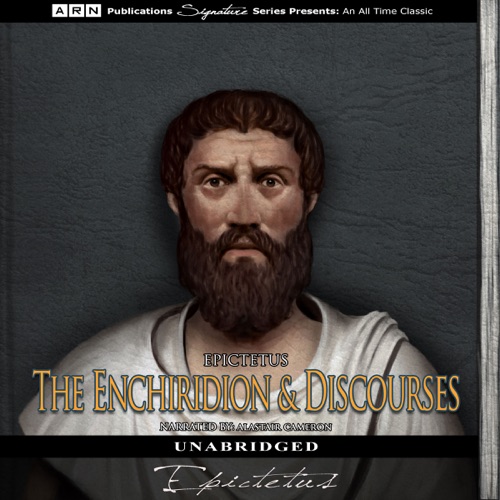 The Enchiridion and Discourses (Unabridged)
 Manual for Living (Unabridged)
 The Enchiridion of Epictetus: A Stoic's Guide to Resilience, Inner Peace, and a Good Life
 The Golden Sayings of Epictetus (Unabridged)
 The Enchiridion
 The Enchiridion & Discourses
 The Golden Sayings of Epictetus: What's the Big Idea? (Unabridged)
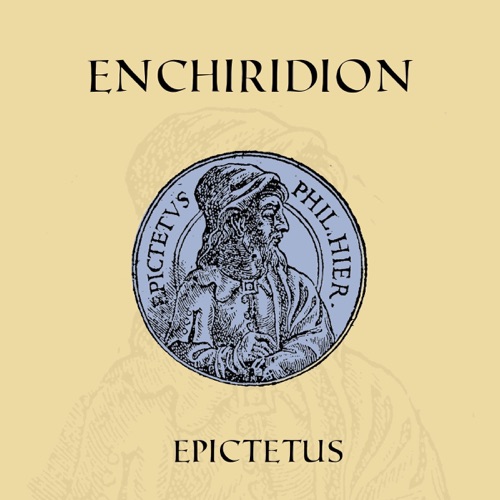 Enchiridion (Unabridged)
The Discourses of Epictetus — frequently asked
- Is The Discourses of Epictetus on Spotify?
- We haven't confirmed The Discourses of Epictetus on Spotify's audiobook catalog yet. Spotify audiobooks are included with Premium (up to a monthly listening limit) in supported markets.
- Is The Discourses of Epictetus on Apple Books?
- Yes — The Discourses of Epictetus is available as an audiobook on Apple Books.
- Who wrote The Discourses of Epictetus?
- The Discourses of Epictetus is by Epictetus.
- Where can I buy the The Discourses of Epictetus audiobook?
- Audible and Amazon both carry audiobooks; use the retailer links on this page to go straight to The Discourses of Epictetus. For print copies, compare Bookshop.org, Barnes & Noble, and Books-A-Million.
FindMyTBR aggregates audiobook availability across Spotify, Apple Books, Audible, and Amazon so you can
move your Goodreads TBR to audio. Availability reflects titles we've confirmed; a service with no badge
just hasn't been confirmed yet. Covers via Open Library.
Search your whole Goodreads shelf →